

Romance used to rely on chance encounters, mutual friends, or awkward introductions at social events. Now, connection lives in your pocket. With a simple swipe, you can browse dozens of potential partners before finishing your morning coffee. On the surface, that sounds empowering. More options, more access, more opportunity. But somewhere between the matches, messages, and ghosting, many people are left wondering why finding something real feels harder than ever. Digital desire has changed the rules of intimacy, and understanding those new rules is the first step to navigating them well.
The Illusion of Endless Options
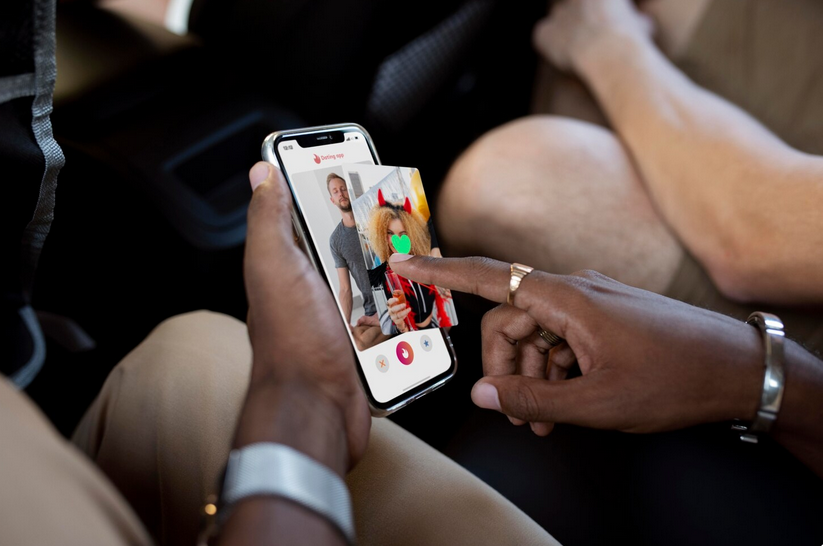 Dating apps create a sense of abundance. There’s always another profile, another bio, another perfectly filtered photo waiting behind the next swipe. While choice can be freeing, too much of it can also be paralyzing. When options feel unlimited, commitment can feel premature. You might hesitate to invest in one connection because something “better” could be one swipe away. This mindset subtly shifts dating from exploration to comparison. Instead of asking, “Do I like this person?” we start asking, “Is this the best I can do?” That quiet shift makes it harder to settle into a meaningful connection.
Curated Selves and Filtered Reality
In the swipe era, first impressions are carefully curated. Photos are selected, captions are crafted, and personality is condensed into a few witty lines. While self-presentation has always been part of dating, digital platforms amplify it. You’re not just meeting someone—you’re meeting their highlight reel. The pressure to appear interesting, attractive, and effortlessly cool can create distance from authenticity. When both sides are presenting polished versions of themselves, vulnerability often takes a back seat. Real intimacy, however, requires showing up without the filter.
Instant Messaging, Delayed Depth
Communication has never been faster. You can message someone all day without ever hearing their voice. Texting creates a constant thread of contact, but it doesn’t always translate into emotional closeness. Tone gets misinterpreted. Conversations stay surface-level. It’s easy to maintain a connection that feels active but never deepens. Digital dialogue can build anticipation and comfort, yet it can also become a substitute for real-world interaction. At some point, intimacy requires stepping beyond the screen and into shared physical space.
Ghosting and the Fear of Vulnerability
The swipe era has normalized a new kind of ending: disappearing without explanation. Ghosting is easier when the connection exists primarily through a screen. Without shared social circles or face-to-face accountability, walking away requires little effort. This dynamic can make people more guarded. If the connection feels temporary, vulnerability feels risky. Over time, repeated micro-rejections can build emotional armor. Protecting yourself becomes instinctive, but so does withholding. The challenge is staying open even when the structure of digital dating encourages detachment.
Slow Dating in a Fast World

Interestingly, the antidote to digital overwhelm might be intentional slowness. Instead of juggling multiple conversations, focusing on one person at a time can shift the experience from transactional to relational. Asking deeper questions, planning thoughtful dates, and limiting app usage can reduce comparison fatigue. Slowing down doesn’t mean abandoning technology; it means using it as a bridge rather than a replacement. When you treat matches as people instead of profiles, connection regains its depth.
Redefining Intimacy Beyond the App
Digital tools aren’t inherently the problem. They’ve expanded access and created opportunities that didn’t exist before. Many meaningful relationships begin with a swipe. The difference lies in how we approach them. Intimacy in the swipe era requires intention. It means balancing convenience with curiosity, speed with sincerity, and attraction with emotional presence. Technology can introduce you, but it can’t sustain the relationship on its own.
Digital desire reflects the world we live in—fast, connected, and constantly evolving. While dating apps have transformed how we meet, they haven’t changed what we ultimately want: to feel seen, understood, and valued. Navigating intimacy today means resisting the pull of endless scrolling and choosing depth when it appears. The swipe may start the story, but a real connection is built in the moments that follow, when two people decide to move beyond the screen and show up as they truly are.…